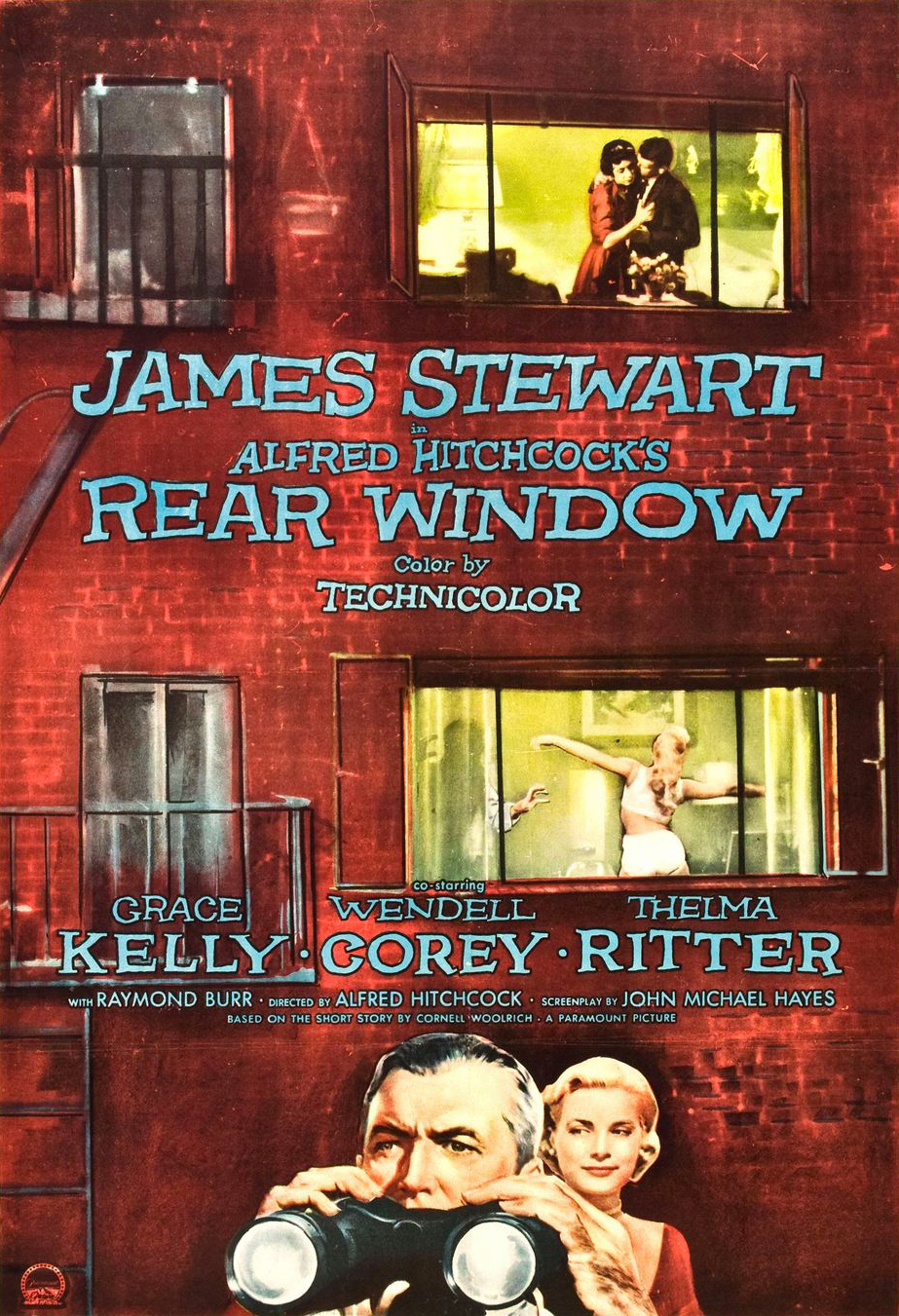
Rear Window remains compelling seventy years later, though time reveals both its strengths and limitations. 7.5/10
Hitchcock’s technical mastery is undeniable: the single-location constraint becomes a feature, not a bug, creating genuine claustrophobia and forcing audience identification with Stewart’s voyeuristic perspective.
Stewart delivers one of his finest performances, making Jeff’s morally questionable spying sympathetic through sheer likability. Grace Kelly radiates intelligence beneath the glamour, transforming from trophy girlfriend to active participant. Thelma Ritter provides perfectly calibrated comic relief and working-class wisdom.
The film’s exploration of voyeurism and surveillance feels prescient in our digital age. Hitchcock’s visual storytelling remains masterful… every shot serves narrative purpose while building psychological tension.
However, the gender politics feel dated. Lisa exists primarily to validate Jeff’s masculinity, and the resolution reinforces traditional relationship dynamics. The pacing occasionally drags by contemporary standards, and some plot conveniences strain credibility.
Still, this is expertly crafted entertainment that rewards multiple viewings. The apartment courtyard becomes a perfect microcosm of human drama, and Hitchcock orchestrates it all with precision. Not transcendent cinema, but supremely accomplished craftsmanship that mostly overcomes its period limitations.
A solid thriller that earns its reputation without achieving true greatness.


Leave a Reply